8 hr
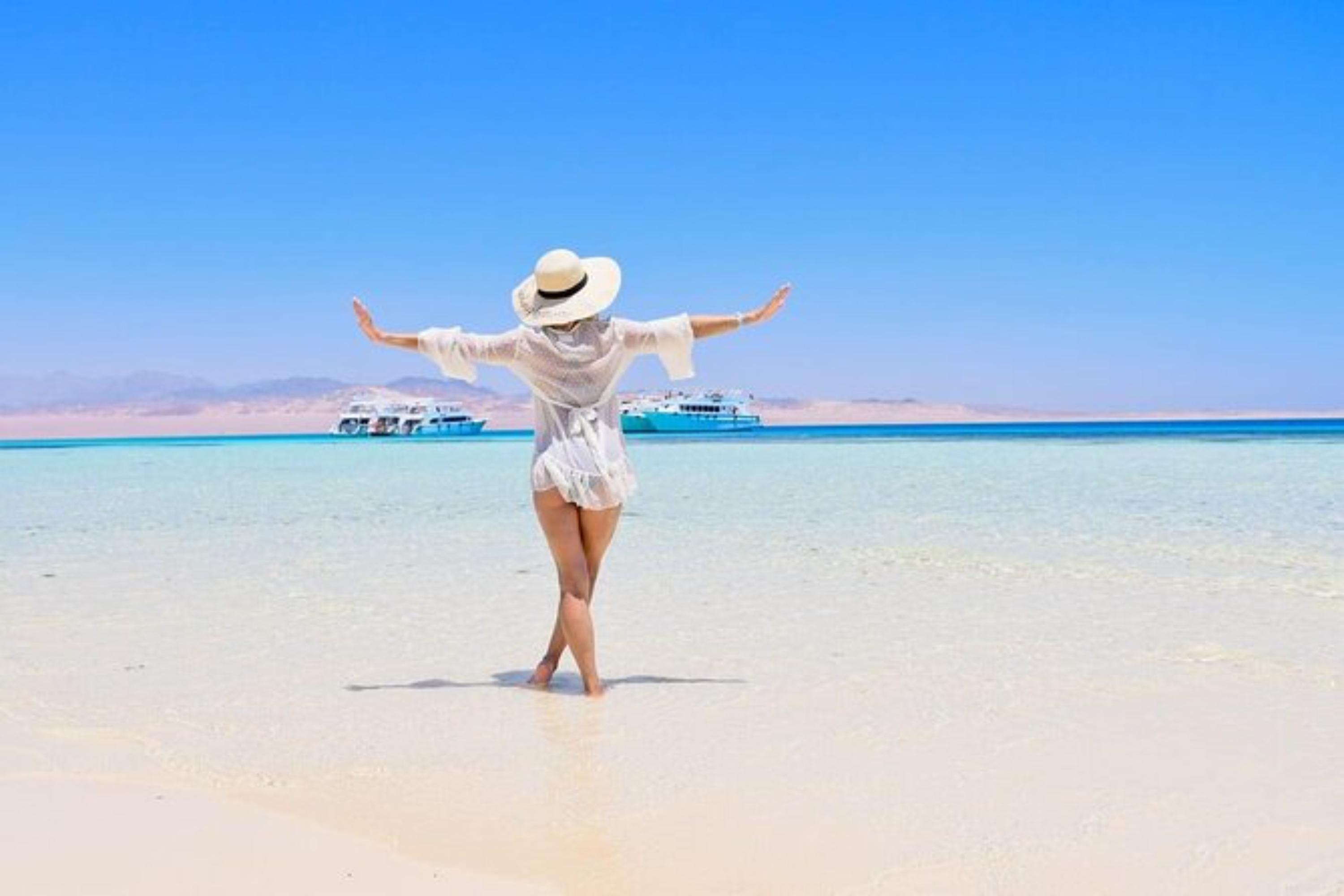
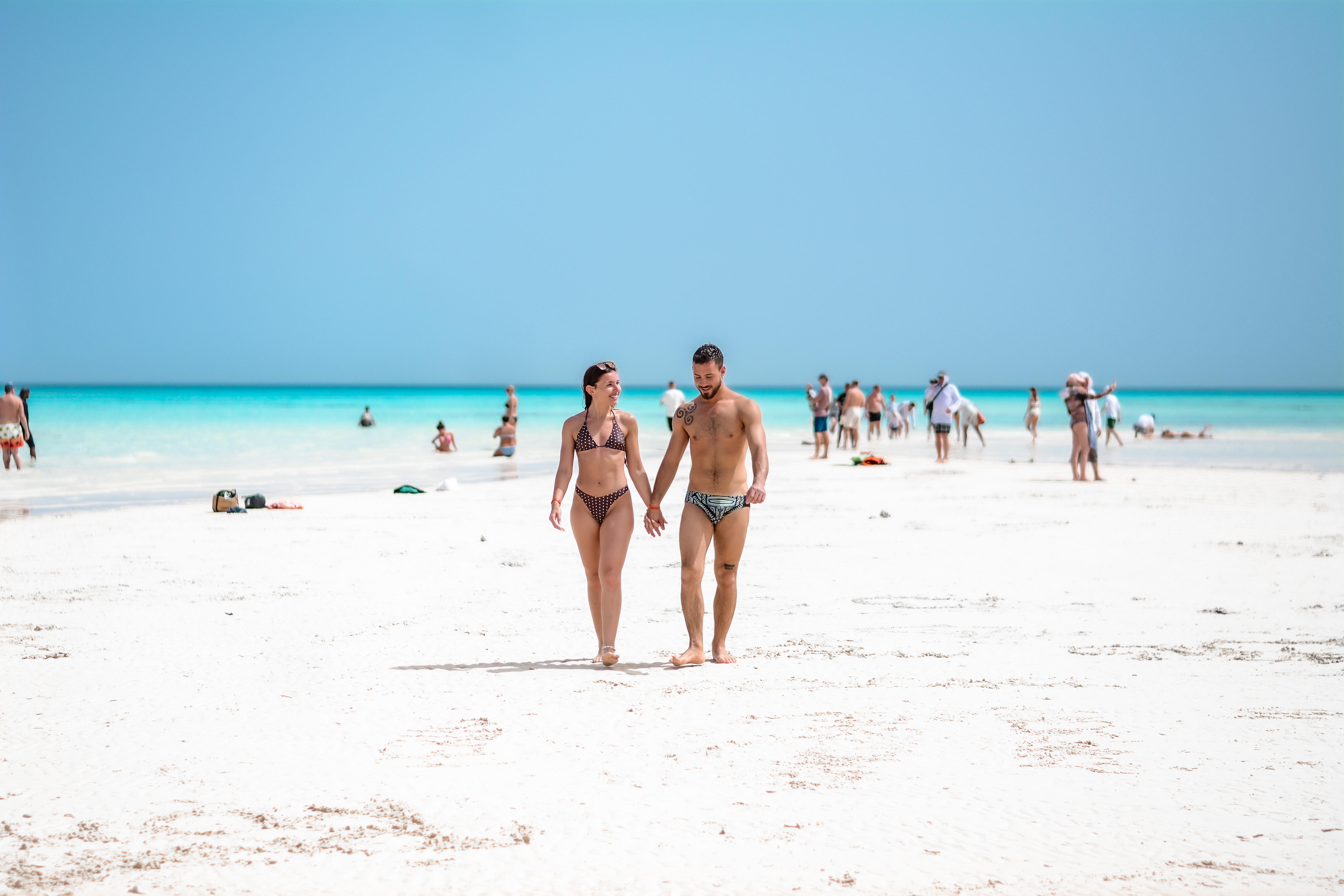
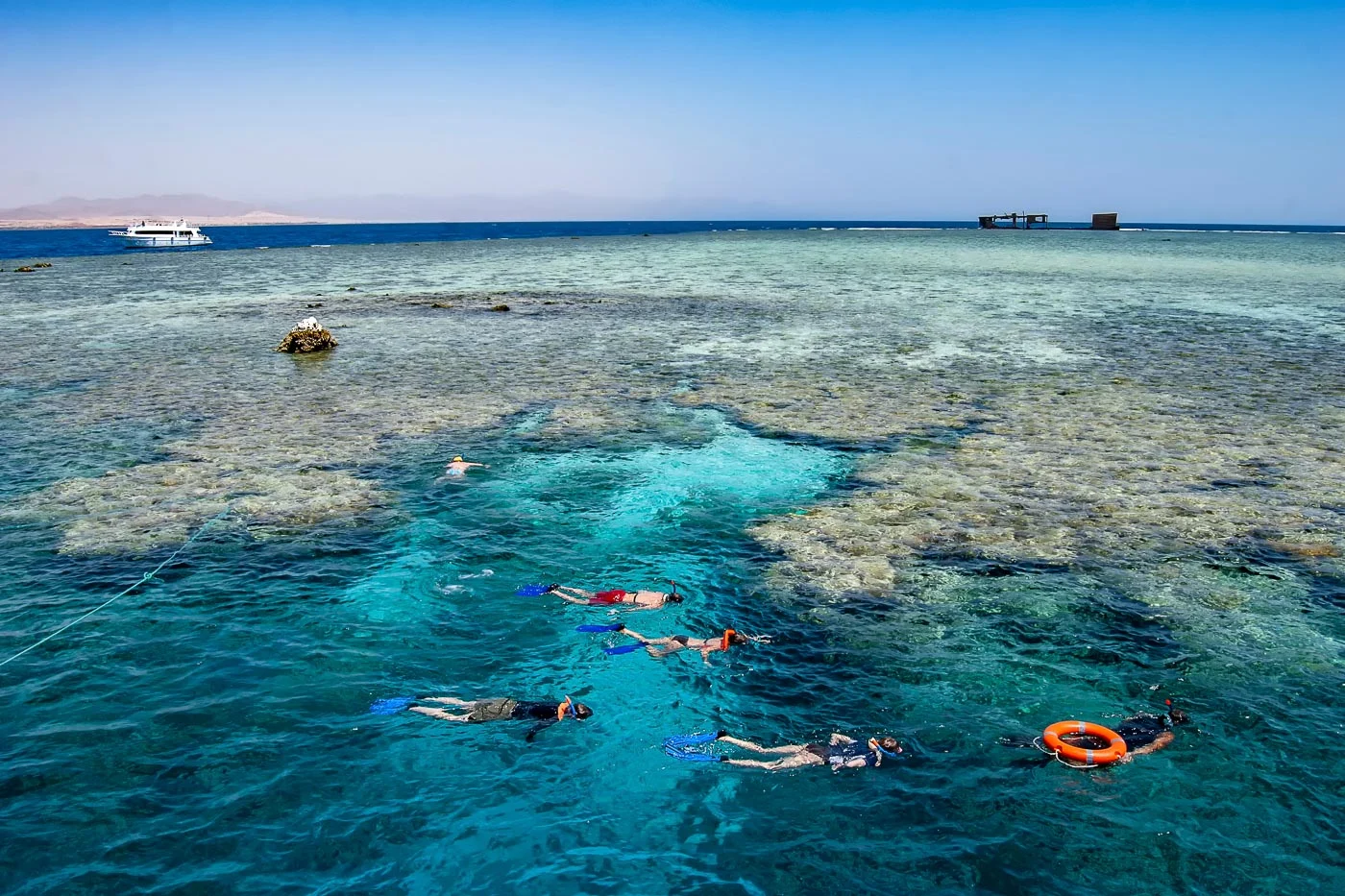
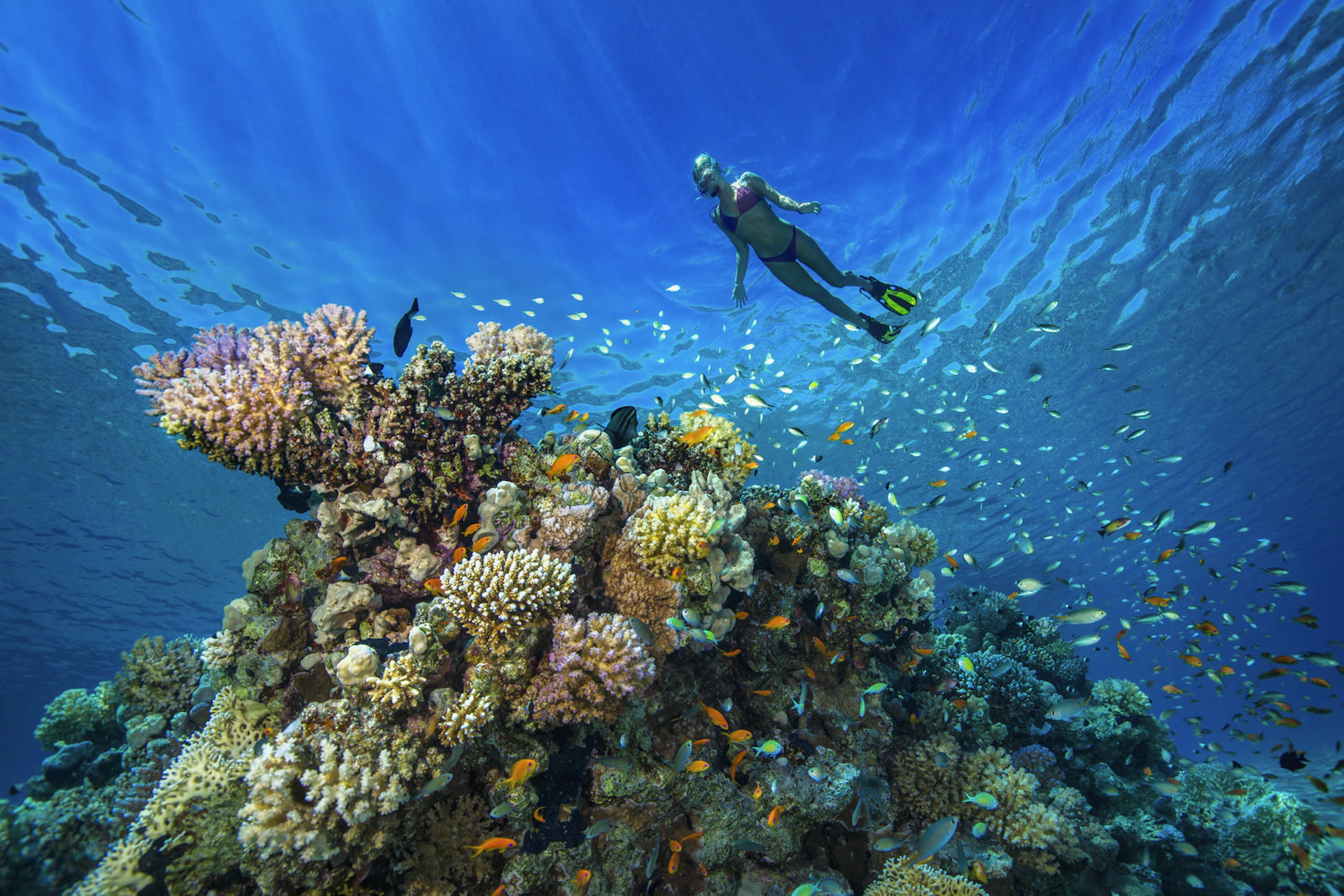
Ras Mohamed & White Island Snorkeling with Lunch
- Expert local guide
- Small group
- Skip-the-line access
- Free cancellation
Red Sea Scuba Diving Liveaboard — Multi-Day Dive Expeditions
Sleep above the reef, wake to open water, dive sites the day-trippers never reach
Compare fares, pick the fit — all bookings are mobile-voucher and eligible for free cancellation where shown.
8 hr
8 hr
9 hr
Selecting the right red sea scuba diving liveaboard depends on your preferred itinerary and experience level. These multi-day excursions offer comprehensive packages, often including accommodation, meals, and multiple daily dives in one of the world's premier marine environments.
| Full Board Package Includes flights and logistics |
Top pick Liveaboard Only Flexible independent travel |
|
|---|---|---|
| Departure Window | 08:00–10:00 | 08:00–10:00 |
| Accommodation | Inclusive (Cabin) | Inclusive (Cabin) |
| Meals & Drinks | Full board included | Full board included |
| Access to Sites | Remote reef access | Remote reef access |
| Certification Req. | Certified diver | Certified diver |
| Best for | All-inclusive convenience | Flexible independent travelers |
| See tickets & prices |
Verdict: First-time visitors should choose the full board option for seamless planning, while experienced travelers may prefer the flexible red sea scuba diving liveaboard tour model.
Worth it for serious divers seeking remote sites
A red sea scuba diving liveaboard delivers access to pristine reefs and pelagic encounters beyond the reach of day boats. Multi-day charters typically include all meals, nitrox fills, park fees, and 3–4 dives per day, consolidating logistics that would otherwise require separate bookings. The true value lies in diving remote northern wrecks like Thistlegorm at sunrise—when visibility peaks and crowds thin—and reaching southern atolls where hammerheads and mantas aggregate. Compared to stringing together daily Red Sea diving trips from shore, liveaboard tours eliminate repetitive hotel check-ins, highway transfers, and the shallow house-reef loops that fill single-day itineraries. For divers logging 15+ dives across a week, the per-dive cost often undercuts land-based packages while unlocking sites like Elphinstone Reef and Brothers Islands that day operators cannot service. Casual snorkelers and those prone to seasickness will find better value in half-day excursions; the investment pays off when your priority is dive count, site exclusivity, and uninterrupted immersion in Egypt's legendary underwater topography.
Bottom line: Liveaboards justify the premium when your goal is maximum bottom time at Egypt's most celebrated dive sites, not a sampler of Red Sea snorkeling.
They complement each other; most visitors who do both call the red sea scuba diving liveaboard more thrilling due to its proximity to pelagic corridors. Many enthusiasts book these red sea scuba diving liveaboard tours to maximize time at offshore wrecks.
|
Top pick Liveaboard |
Day Trip Diving | |
|---|---|---|
| Access to remote sites | High (North/South deep reefs) | Low (Local coastal reefs) |
| Average time underwater | 3-4 dives per day | 2-3 dives per day |
| Onboard accommodation | Included (Cabin/Berth) | None (Shore hotel required) |
| Group size consistency | Stable throughout duration | Variable per excursion |
| Total cost transparency | Inclusive fixed pricing | Fragmented (Dives plus hotel) |
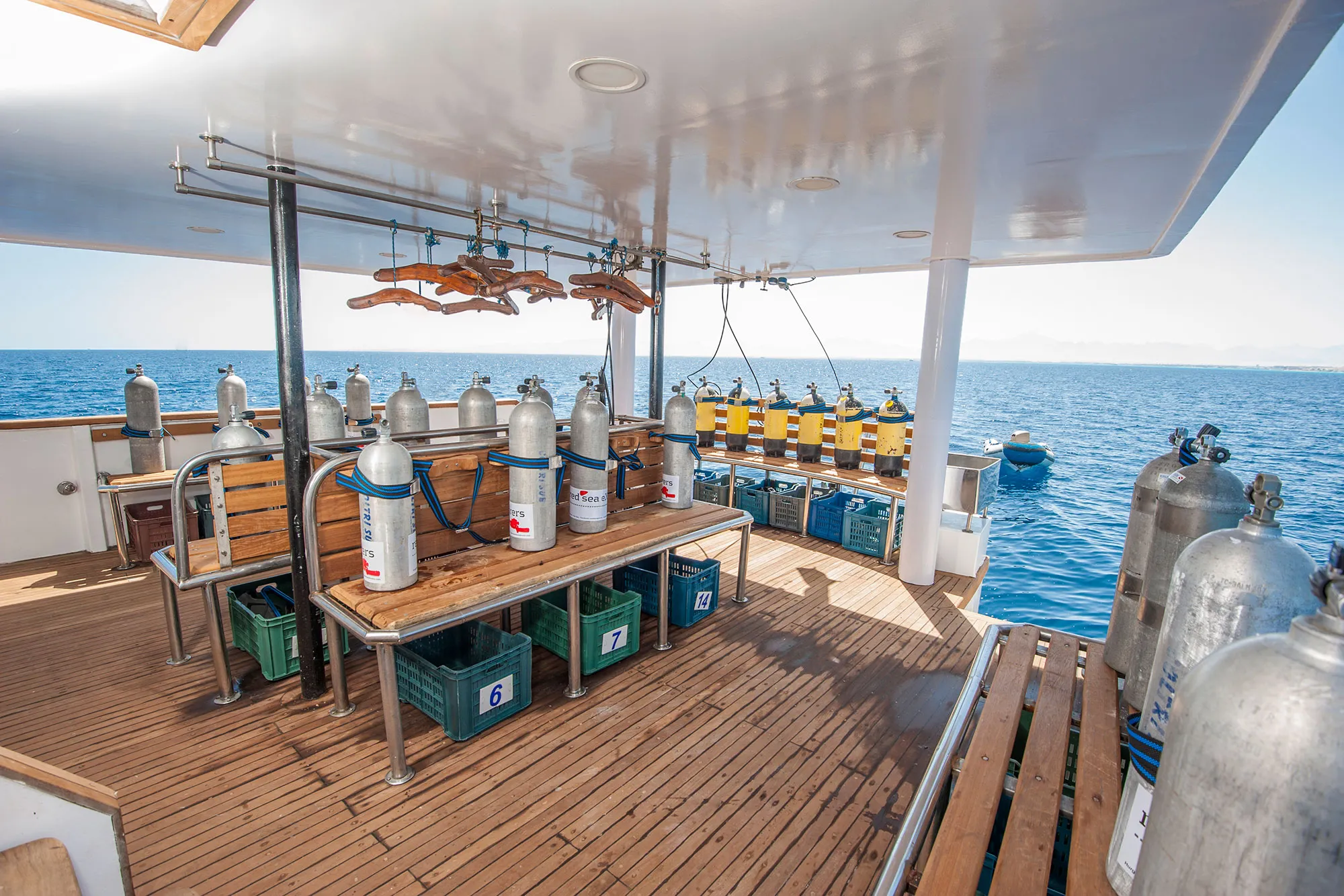
| Gear storage | Dedicated wet area | Ported daily |
| See tickets & prices |
Verdict: Choosing among red sea scuba diving liveaboard tickets hinges on whether you prioritize reaching distant offshore reefs or maintaining the flexibility of a shore-based red sea scuba diving liveaboard tour.
Hand-picked experiences loved by thousands of travelers
7 hours
Free Cancellation
Explore vibrant coral reefs with two beginner dives or snorkeling stops, plus lunch on board
7 hours
Free Cancellation
Explore vibrant coral reefs with two guided dives, buffet lunch, and hotel transfers included
7 hours
Free Cancellation
Discover two spectacular dive sites in the Red Sea with expert instruction, equipment, and lunch included
7 hours 30 minutes
Free Cancellation
Explore vibrant coral reefs aboard a premium yacht with intimate group sizes and expert one-on-one dive instruction.
9 hours
Free Cancellation
Explore vibrant Red Sea reefs with guided diving and snorkeling at three spectacular sites around Tiran Island
2 days
Free Cancellation
Earn your internationally recognized scuba certification while exploring Red Sea reefs and marine life
8 hours
Free Cancellation
Full-day cruise visiting Dolphin House, Orange Bay and Magawish Island with snorkeling, intro dive and lunch
7 hours
Free Cancellation
Full-day marine exploration with equipment, lunch, and options for beginners through certified divers
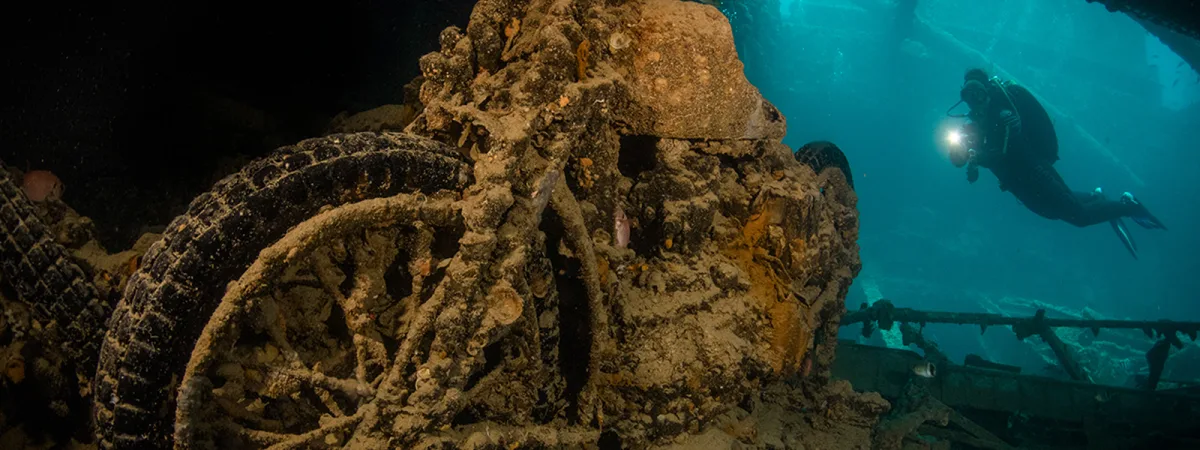
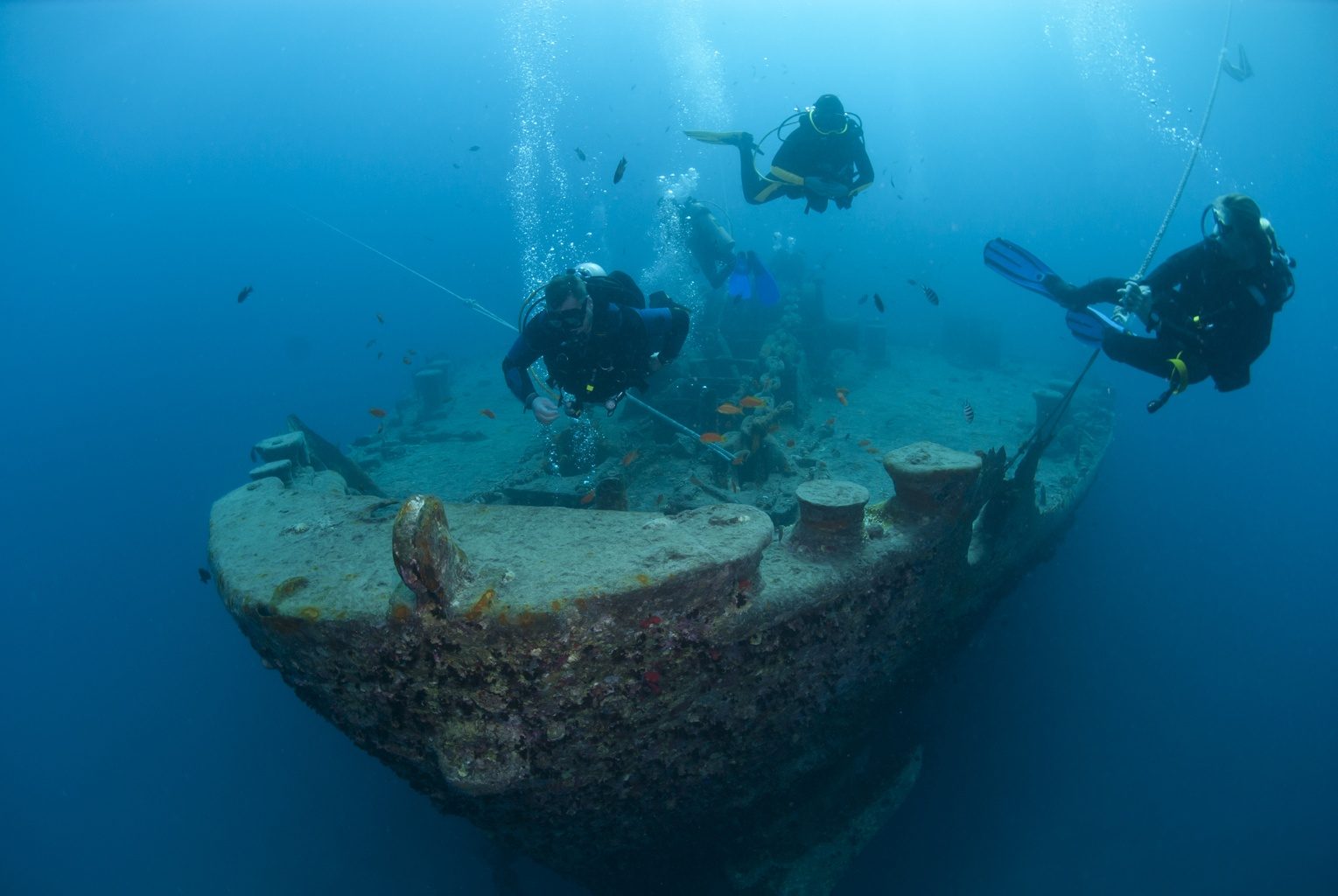
The most famous wreck in the Red Sea, this WWII British cargo ship lies at 30 meters depth.
Egypt's first marine park, known for dramatic wall dives and diverse pelagic marine life.
A remote offshore reef famous for frequent hammerhead shark sightings and sheer walls.
A legendary southern site featuring deep drop-offs and the chance to see oceanic whitetip sharks.
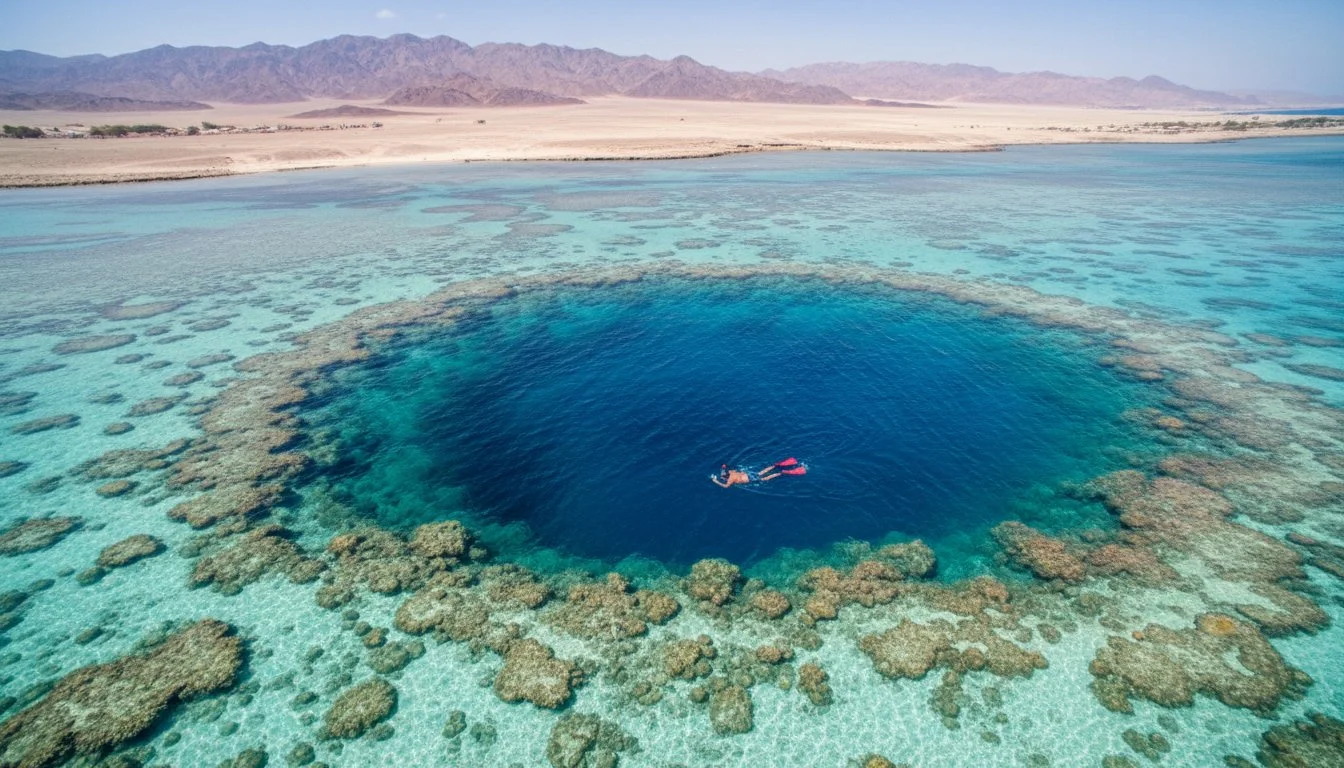
A world-renowned marine sinkhole located near Dahab, popular for technical diving experiences.
You board in Hurghada or Marsa Alam between 08:00 and 10:00, stow your gear in the dive hold, and attend a safety briefing as the boat clears the harbor breakwater. The first dive happens before lunch—usually a shallow reef check at 15 meters to test your weighting and confirm regulator function.
You surface, rinse your kit, and eat on the sun deck while the crew motors south.
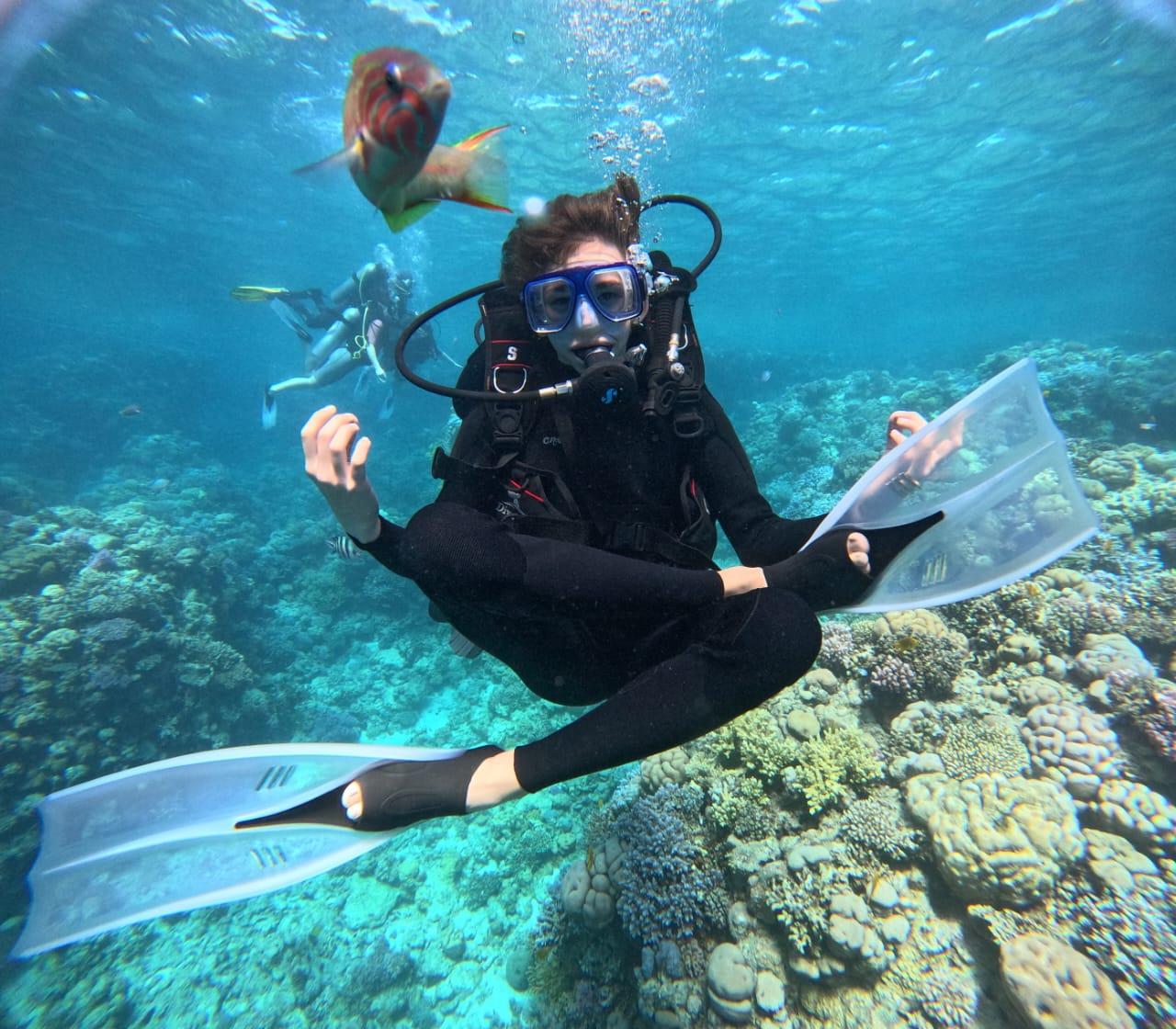
The afternoon dive is deeper: a wall at Ras Mohammed or a drift along the Brothers' eastern face. You descend the mooring line, equalize at five-meter intervals, and reach the reef edge at 25 meters. The current pulls you past gorgonian fans and caves where glassfishes cluster in the shade. You check your computer, ascend slowly, and complete a three-minute safety stop at five meters before surfacing.
Evening dives begin at 17:00—often a wreck or night dive under handheld torch. You kit up on the dive deck, backroll into 28°C water, and follow the guide's light down to the hull of the Thistlegorm or the coral-covered deck of the Carnatic. After 40 minutes, you ascend, shower in the stern washdown, and join the crew for dinner. The boat repositions overnight. You wake at 06:00 to find the hull moored above a new reef, gear already prepped on the dive bench.
All the details about your upcoming adventure in one place
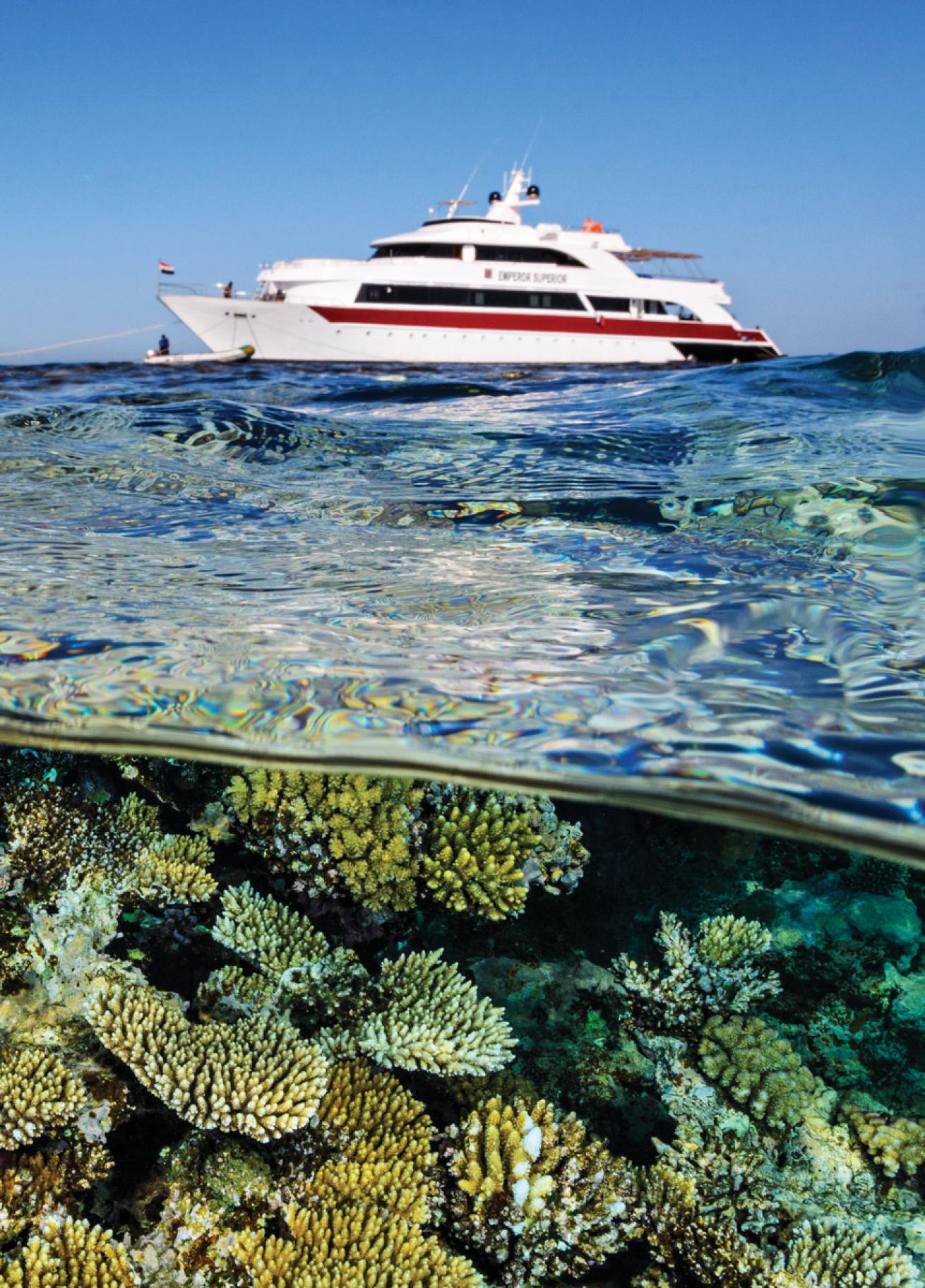
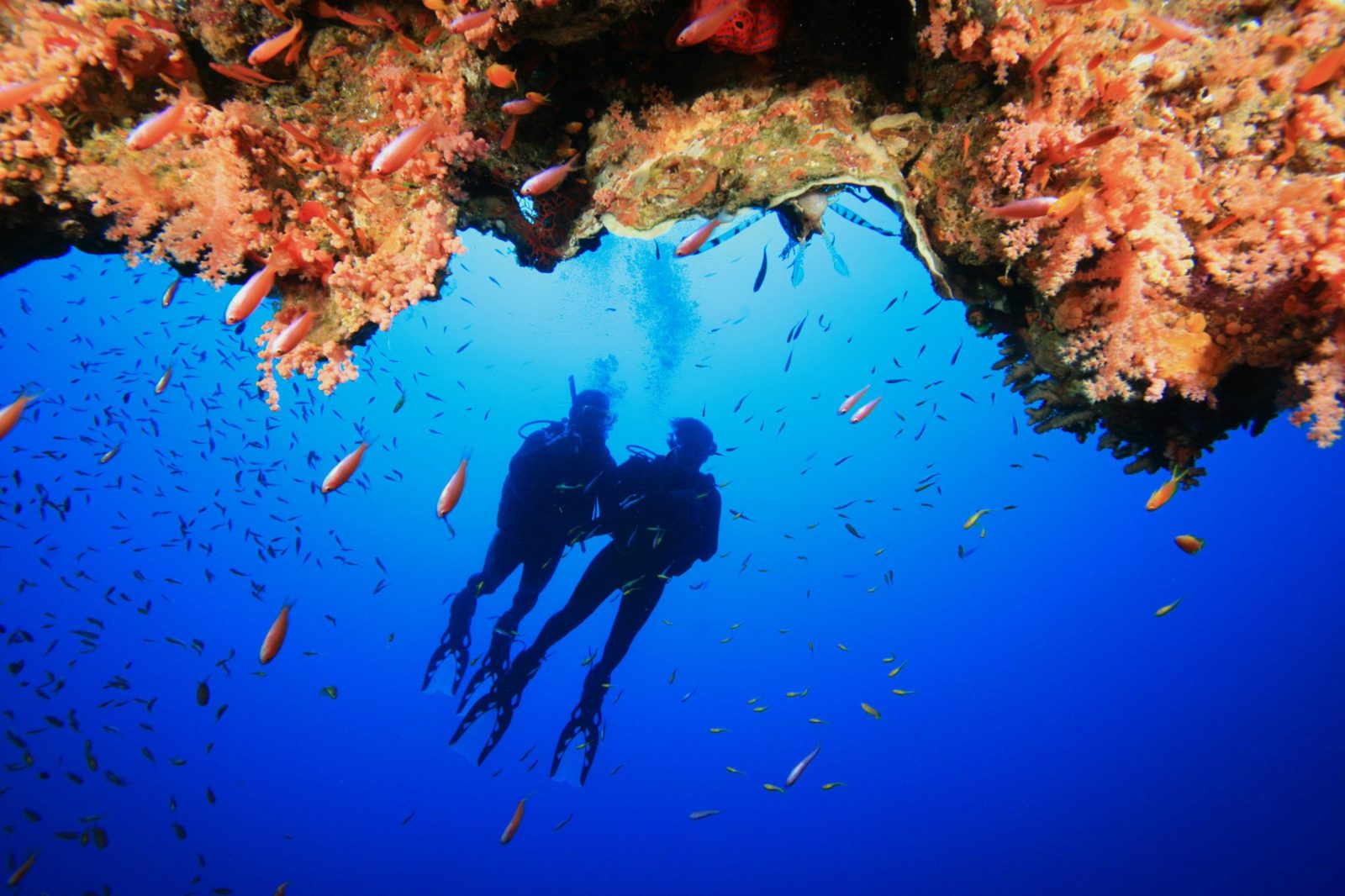
The Red Sea's northern dive corridor between Hurghada and Marsa Alam holds 40 charted wrecks and 280 mapped reef systems, most beyond day-boat range. A red sea scuba diving liveaboard solves the distance problem: sleep aboard, wake at sites like Ras Mohammed or the Brothers Islands, and log four dives before noon.
The concept arrived in Egyptian waters in 1987 when European dive operators converted cargo dhows into floating dive platforms. By 1994, purpose-built steel-hulled vessels with compressor rooms and nitrox membrane systems dominated the fleet.
Today's liveaboard routes follow three main itineraries. The southern circuit departs Marsa Alam for Daedalus Reef, Elphinstone, and St. John's—week-long trips covering 450 nautical miles. The northern route from Hurghada reaches Tiran Island, the Thistlegorm wreck, and Ras Mohammed in four to five days. The deep-south expedition pushes to Fury Shoals and Rocky Island, a nine-day run reserved for experienced divers. All three itineraries share one structural advantage: you moor directly above the dive site. Pre-dawn departures and surface intervals measured in minutes, not hours, mean 18 to 24 dives per week versus six to eight on land-based trips.
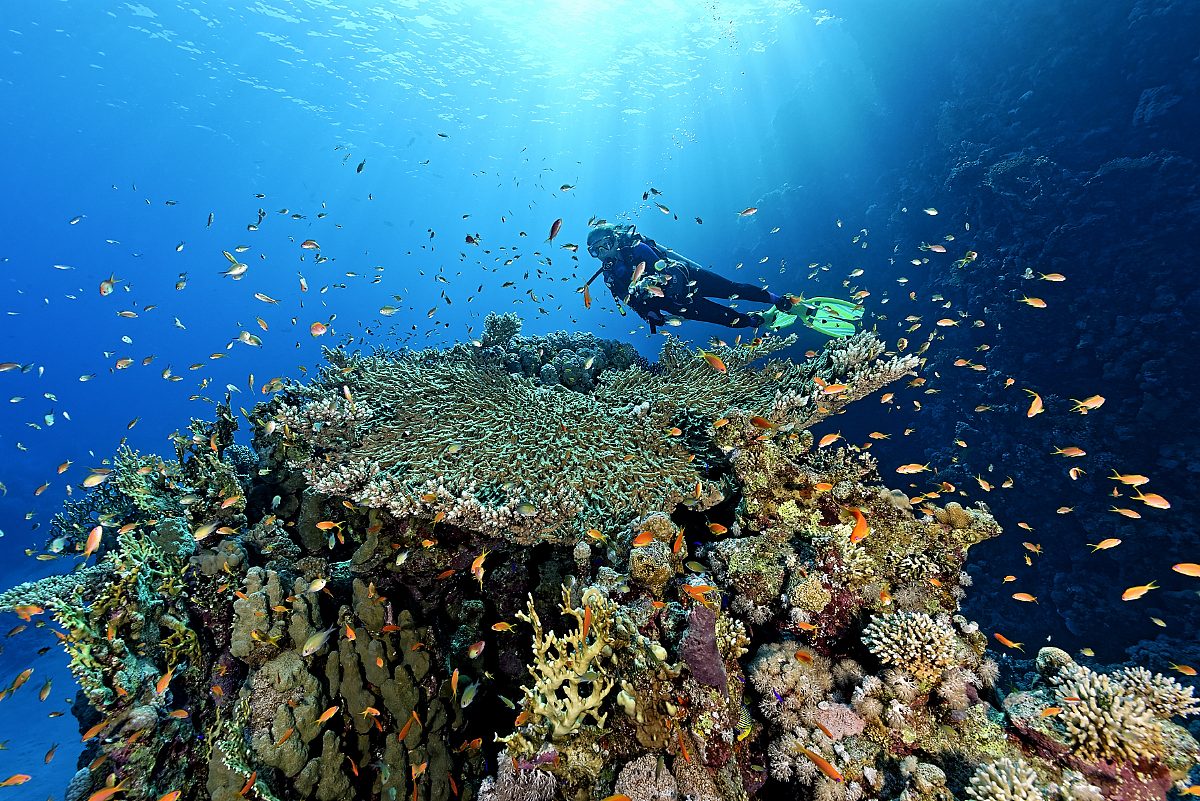
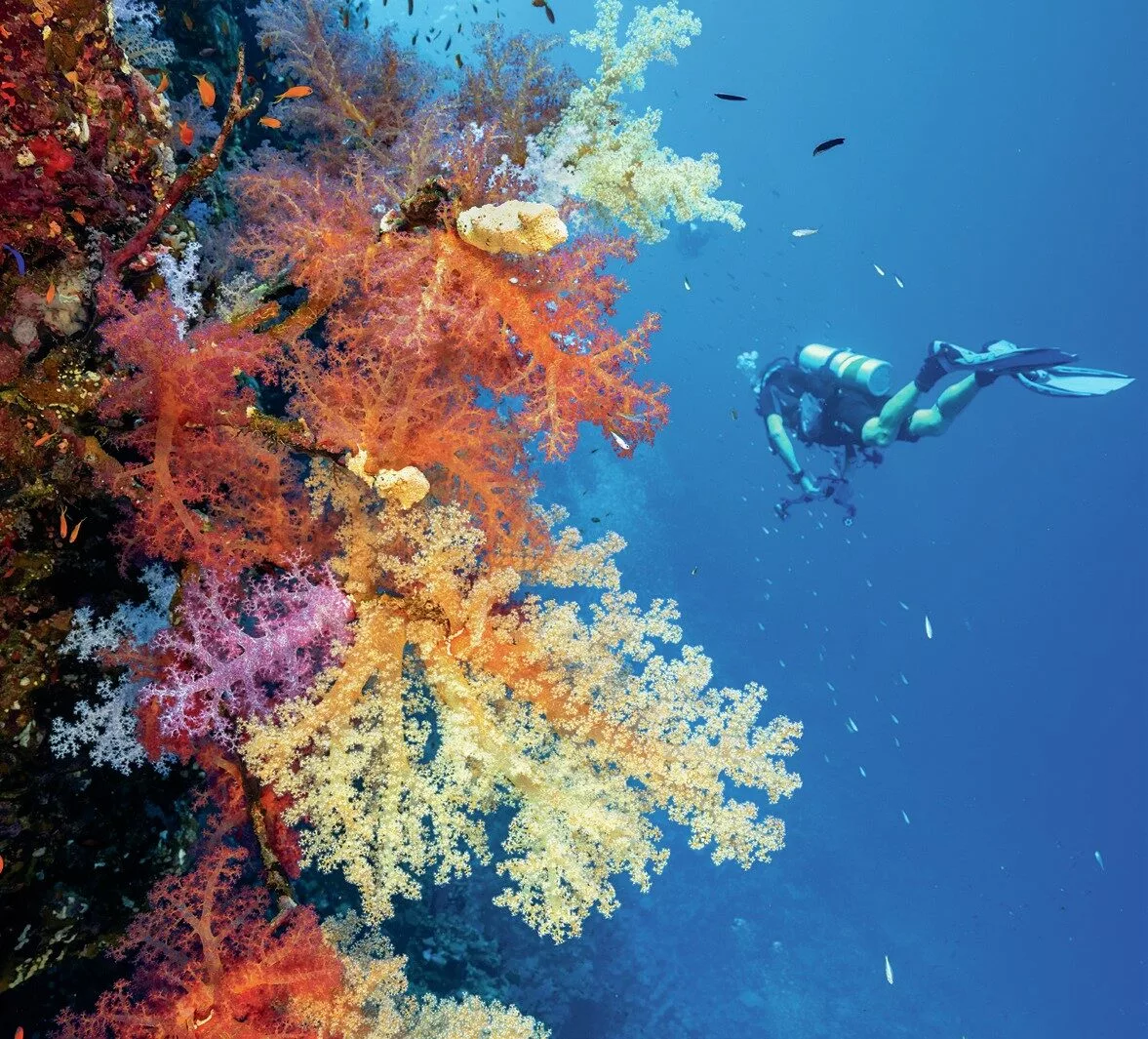
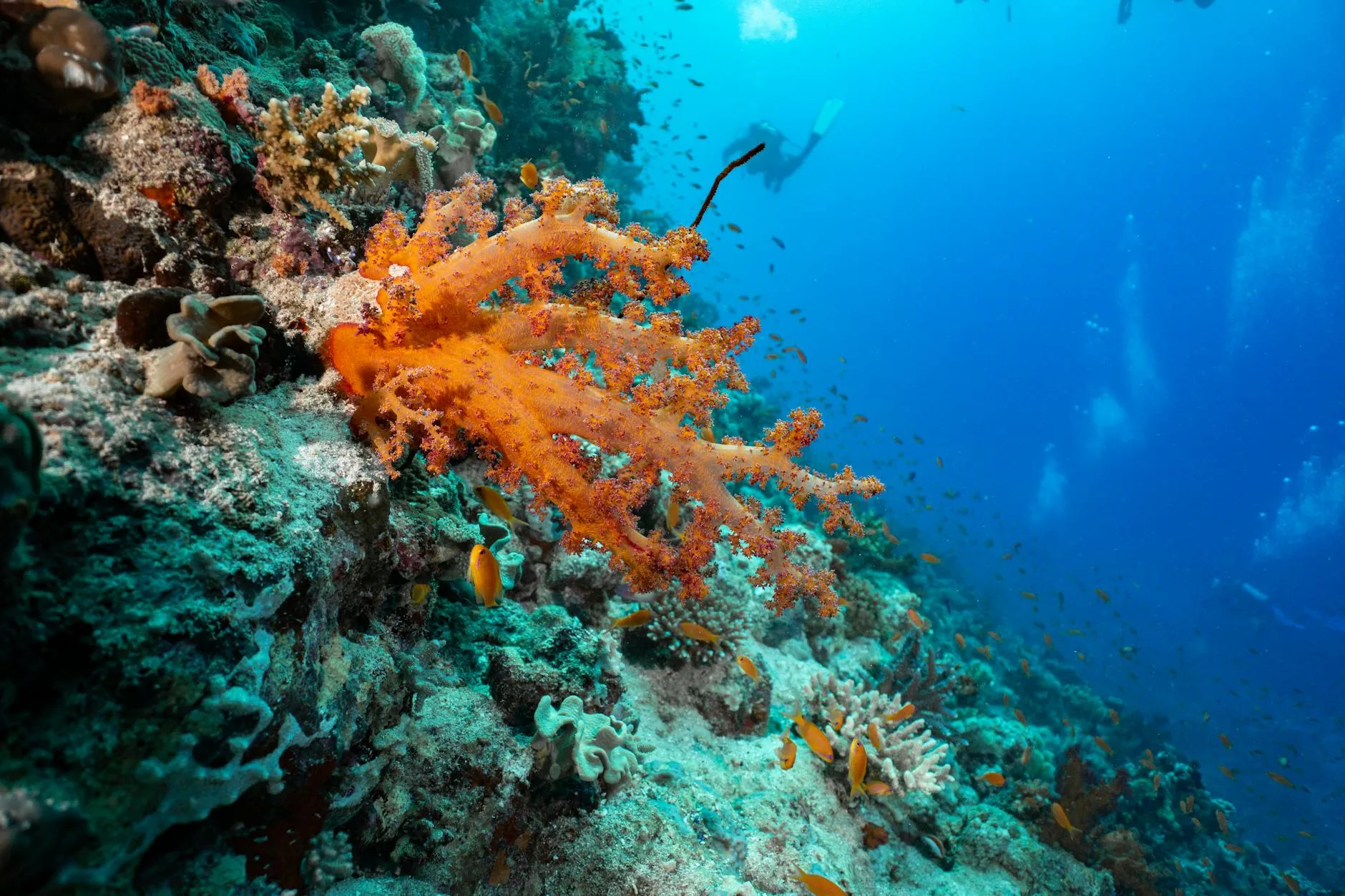
The marine topography explains the logistics. The Red Sea sits in a tectonic rift where the African and Arabian plates diverge at 15 millimeters per year. Sheer drop-offs descend to 800 meters within two kilometers of shore. Hard corals—Acropora, Porites, Stylophora—form vertical walls that host grey reef sharks, schooling barracuda, and seasonal hammerhead aggregations. Water temperature holds at 24°C in winter, 29°C in summer. Visibility averages 30 meters. The northern reefs sit in the Gulf of Aqaba's current-flushed zone; the southern reefs in the open-ocean fetch south of latitude 25°N. Both require overnight positioning. Day boats cannot reach them and return before dark, making red sea scuba diving liveaboard tours the only access method for offshore reefs like the Brothers, Daedalus, or Zabargad Island.

You moor directly above the dive site—pre-dawn departures and surface intervals measured in minutes, not hours.
Casual, lightweight clothing is standard for life on board. Modest cover-ups are recommended when visiting towns or cultural sites.
Space in cabins is limited, so pack using soft-sided luggage if possible. Security protocols may require presentation of your passport and dive certification.
Underwater photography is highly encouraged, but ensure your housing is serviced and batteries are charged. Using a red filter helps restore colors at depth.
Liveaboard travel is generally suited for certified divers; check with operators regarding age requirements for non-diving guests.
Guests must hold at least an Open Water certification to participate in a red sea scuba diving liveaboard. Some remote reef itineraries require advanced certifications and logged dives.
All meals are typically included and served on board during your red sea scuba diving liveaboard tour. Stay hydrated by drinking plenty of water between dives.
Opening hours
00:00–23:59
Address
Red Sea, Egypt
Certification required
Open Water or higher
Best arrival window
08:00–10:00
Storage
Limited cabin space
Liveaboard operators maintain specific cancellation windows; please refer to your individual booking confirmation for refund eligibility. There is no central entrance fee of 0 USD as all costs are operator-specific.
Recommended time
3-7 days
Planning a red sea scuba diving liveaboard requires a multi-day commitment to reach distant northern wrecks or southern marine parks. Optimal safety requires arriving between 08:00–10:00 to complete initial boat briefings before departing for open water. These red sea scuba diving liveaboard tours maintain steady activity levels as guests transition between deep reef exploration and decompression intervals. Since there are no red sea scuba diving liveaboard tickets in a traditional sense, your time is best spent coordinating with your operator to ensure your nitrogen levels remain within safe limits across the trip duration.
Crowd levels through the day
The Red Sea corridor remained largely inaccessible to recreational divers until the mid-1970s, when Egyptian authorities began issuing permits for foreign-operated dive vessels following the 1973 reopening of the Suez Canal. Early operations ran from Port Sudan and Hurghada using converted fishing trawlers with minimal safety equipment. Hans Hass and Jacques Cousteau had surveyed the reefs in the 1950s, but their expeditions required military clearance and served scientific documentation rather than tourism. The first purpose-built liveaboard entered service in 1979, a converted cargo vessel renamed Seafari I that introduced multiple-night itineraries to Brothers Islands and Daedalus Reef. These routes opened dive sites too distant for day boats, transforming access to pelagic zones where hammerhead schools and oceanic whitetip sharks congregate. The 1980s brought standardized hull designs with onboard compressors, GPS navigation, and dedicated dive platforms. Operators began offering red sea scuba diving liveaboard tours as week-long packages, targeting European markets during winter months when Mediterranean waters turned cold. A 1991 collision near Sha'ab Rumi killed three divers and prompted Egypt's Chamber of Diving to mandate VHF radios, life rafts, and oxygen kits on all vessels. The regulatory shift professionalized the industry but eliminated smaller independents. By 1995, forty liveaboards were operating from Hurghada alone, running itineraries to Elphinstone, Rocky Island, and the newly protected Ras Mohammed Marine Park. Modern fleets emerged after 2000, incorporating nitrox blending systems, hyperbaric chambers, and stabilized platforms for technical diving. Sudan's Sanganeb Atoll and Eritrea's Dahlak Archipelago became accessible through cross-border permits, extending itineraries beyond Egyptian waters. Wreck diving gained prominence with red sea scuba diving liveaboard tickets marketed around SS Thistlegorm discovery and Rosalie Moller explorations. The 2011 political unrest caused a temporary fleet reduction, but operations rebounded by 2013 with enhanced safety audits and international certification requirements that remain standard across the industry today.
Suez Canal reopens, enabling foreign dive vessels to access Red Sea routes for the first time since 1967.
Seafari I launches as the region's first purpose-built liveaboard, introducing multi-day itineraries to offshore reefs.
Standardized dive platforms and GPS systems replace converted fishing boats, professionalizing operations.
Fatal collision near Sha'ab Rumi prompts Egypt to mandate safety equipment and certifications for all liveaboards.
Fleet expands to forty vessels operating from Hurghada, establishing week-long packages as the industry standard.
Nitrox systems and hyperbaric chambers become common, enabling technical diving and extended bottom times.
Post-revolution safety audits and international certifications restore operator standards and traveler confidence.
Position yourself on the deck facing forward to capture the iconic anchor and chain mechanism at this historic wreck. This popular red sea scuba diving liveaboard highlight requires early morning placement to avoid other bubbles in your frame.
Planning a red sea scuba diving liveaboard requires careful consideration of marine safety and confined vessel environments for younger guests. These expeditions are best suited for families with children who are already comfortable with open water exploration.
Most operators require children to be at least 10 years old for junior diver certification, while specific itineraries may mandate a higher minimum age for advanced excursions. Please review individual red sea scuba diving liveaboard tours for specific safety thresholds.;Certification Requirements
Dining for those booked on a red sea scuba diving liveaboard is typically managed by the onboard chef, ensuring all meals are provided during your journey at sea. For departures, visitors often seek sustenance near the marina before boarding for their red sea scuba diving liveaboard tours.
Located near the marina, this spot offers fresh seafood and light salads suitable for a pre-dive meal. It is a quiet choice for those securing red sea scuba diving liveaboard tickets early in the day.
$5-10
$$
Everything you need to know for your journey
Operators of a red sea scuba diving liveaboard generally operate 24 hours a day during the trip.
No, but you must hold at least an Open Water certification to join a red sea scuba diving liveaboard.
The optimal timing for boat departures and gear setup is 08:00–10:00.
Yes, items like single-use plastics and drones are typically prohibited on a red sea scuba diving liveaboard.
Pack casual, lightweight clothing for your red sea scuba diving liveaboard trip.
Yes, meals are provided as part of the inclusive cost of your red sea scuba diving liveaboard tour.
Cancellations are governed by operator-specific terms; please note there is no central fee of 0 USD.
Most vessels require guests to be certified divers, so consider this when booking a red sea scuba diving liveaboard.
Yes, bringing your own mask, computer, and regulator is recommended for a red sea scuba diving liveaboard.
Spring and autumn are considered the best seasons for a red sea scuba diving liveaboard.
Join thousands of happy travelers who have discovered this incredible experience
Book Your Experience Now