

Quick answer
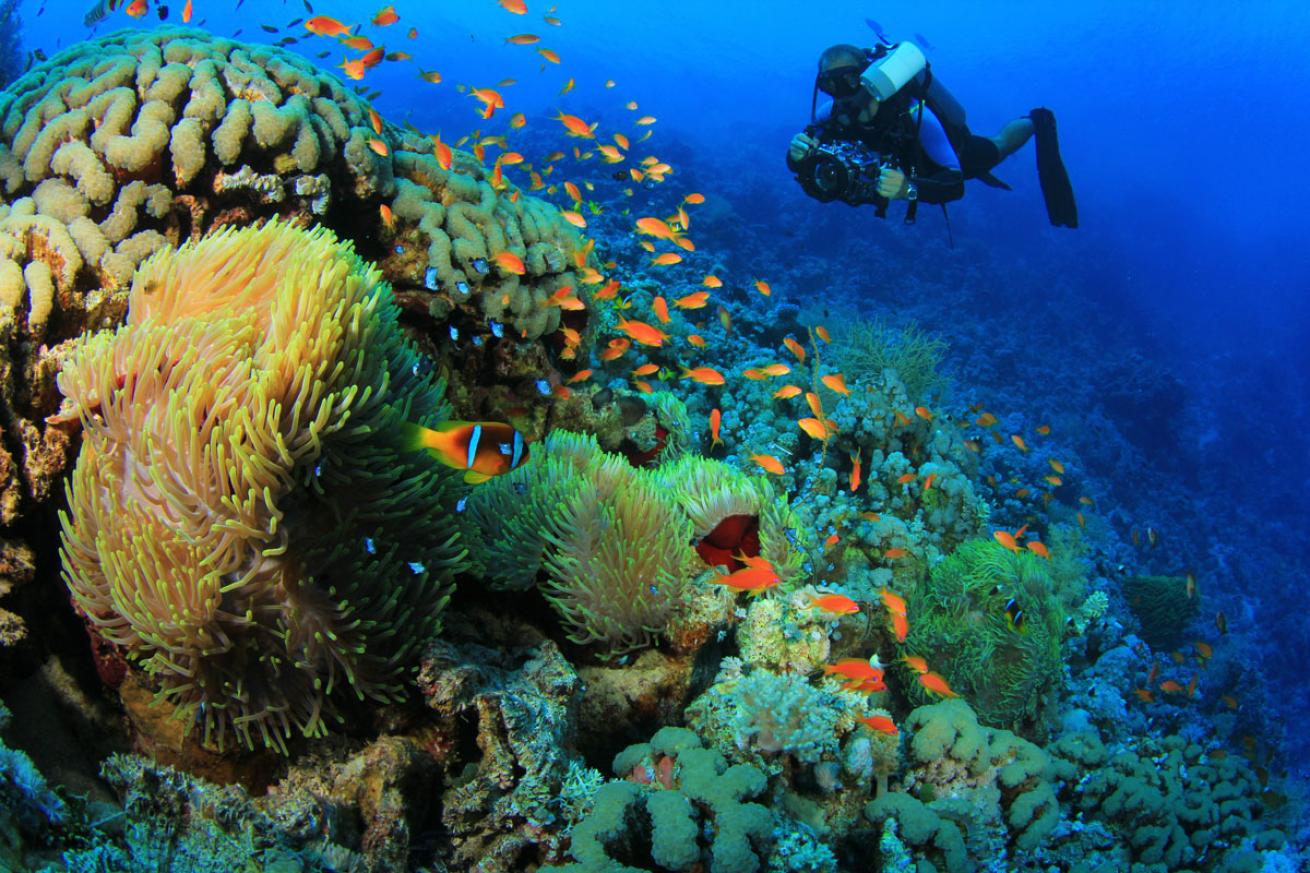
Yes, the Red Sea is excellent for scuba diving. Water temperatures stay between 21°C and 28°C year-round, visibility averages 20-30 meters, and over 1,200 fish species inhabit coral reefs that rank among the healthiest in the Indo-Pacific. Sites range from shallow gardens suitable for beginners to deep walls and wrecks for technical divers, with marine park access from 5 EUR per day.
The Red Sea's northern basin contains more endemic fish species than any comparable stretch of coastline between the Mediterranean and the Indian Ocean. Isolation from other marine systems over millions of years produced ecosystems found nowhere else—approximately seventeen percent of reef fish here exist only in these waters. Warm currents flowing from the Gulf of Aden meet cooler Mediterranean influence through the Suez Canal, creating nutrient upwellings that support dense concentrations of pelagic life. Hammerhead schools patrol offshore pinnacles from June through September, while manta rays glide over shallow reefs during plankton blooms. Hard coral coverage exceeds seventy percent at protected sites, a figure that places the region among the world's most resilient reef systems despite global bleaching events. Dive operators cluster along Egypt's coastline from Hurghada to Marsa Alam, offering everything from shore entries to multi-day liveaboard expeditions. Visibility peaks during morning hours before boat traffic stirs sediment, with the 07:00–10:00 window delivering the clearest conditions. Sites like Ras Mohammed and the Brothers Islands provide wall dives that drop beyond recreational limits, while Elphinstone Reef's vertical faces attract both oceanic whitetips and photographers hunting wide-angle compositions. Wreck divers target the Thistlegorm, a World War II cargo ship resting at thirty meters with intact motorcycles and munitions still visible in holds. Red Sea scuba diving remains accessible to divers at every certification level. Shore reefs near resort towns accommodate beginners working through open-water courses, while advanced sites demand experience with drift diving and deep profiles. The combination of reliable conditions, biodiversity that rewards repeat visits, and infrastructure supporting everything from day trips to technical training explains why the region maintains its reputation decades after the first recreational divers explored its waters.
“The Red Sea's northern basin contains more endemic fish species than any comparable stretch of coastline between the Mediterranean and the Indian Ocean.”
When Is the Red Sea Good for Scuba Diving?
The Red Sea offers year-round diving, with the optimal window occurring from April to June and September to November when water temperatures are comfortable and visibility is at its peak. Planning dives during the recommended arrival window of 07:00–10:00 ensures calm surface conditions before increased boat traffic.
Spring (April–June)
Moderate24°C–28°C water, dry air; mild surface conditions for boat travel.
Autumn (September–November)
Moderate26°C–29°C water, warm air; high visibility with calm currents.
Winter (December–March)
Low20°C–23°C water, cooler air; ideal for spotting larger pelagic species.
Daily Morning
Low—; Optimal visibility and morning conditions before boat traffic peaks.
Verdict: The best time for diving is between April and June or September and November, prioritizing the arrival window of 07:00–10:00 for the clearest conditions.
Operating Hours for When the Red Sea Is Good for Scuba Diving
The Red Sea coast is accessible for scuba diving operations daily. While the coast remains open 24 hours, arriving between 07:00 and 10:00 provides optimal conditions before boat traffic increases.
| Monday | 00:00–23:59 | |
|---|---|---|
| Tuesday | 00:00–23:59 | |
| Wednesday | 00:00–23:59 | |
| Thursday | 00:00–23:59 | |
| Friday | 00:00–23:59 | |
| Saturday | 00:00–23:59 | |
| Sunday | 00:00–23:59 |
Getting to the Red Sea for Scuba Diving
The Red Sea coast is primarily accessed through international airports in Hurghada and Sharm El Sheikh. From these hubs, local transport or pre-arranged transfers facilitate travel to specific dive centers along the coast.
International flights to Hurghada (HRG) or Sharm El Sheikh (SSH)
Direct transfer from Hurghada or Sharm El Sheikh airports to dive resorts
Go Bus or Blue Bus lines serving coastal towns from Cairo
Checklist for Is the Red Sea Good for Scuba Diving Trips
Red Sea dive trips require valid certification, proper documentation, and advance arrangements with operators.
-
Confirm PADI or equivalent certification — Most operators require proof of Open Water or higher certification before boarding.
-
Book liveaboard or day-boat slots early — Popular routes and sites fill weeks in advance during peak season.
-
Arrange marine park fee payment — Daily 5 EUR entrance fee applies per person at most dive sites.
-
Verify passport validity and visa requirements — Egypt requires six months validity and most nationalities need a visa on arrival.
-
Pack logbook and certification cards — Dive centers check credentials before allowing water entry.
-
Confirm nitrox availability if certified — Not all boats offer enriched air; arrange in advance if preferred.
-
Bring reef-safe sunscreen and personal medications — Remote liveaboard itineraries have limited resupply options.
Check availability
Common questions about Red Sea scuba diving
Everything you need to know about is the red sea good for scuba diving