
Quick answer
Red sea scuba diving cost averages $30–$50 per single boat dive from shore-based resorts, $80–$150 for premium sites like Ras Mohammed or Thistlegorm wreck, and $800–$1,500 for week-long liveaboard trips. National park entrance fees add $15 per day for foreign divers at protected sites. Prices climb during European winter peak season (December–March) and drop 20–30% in summer months.
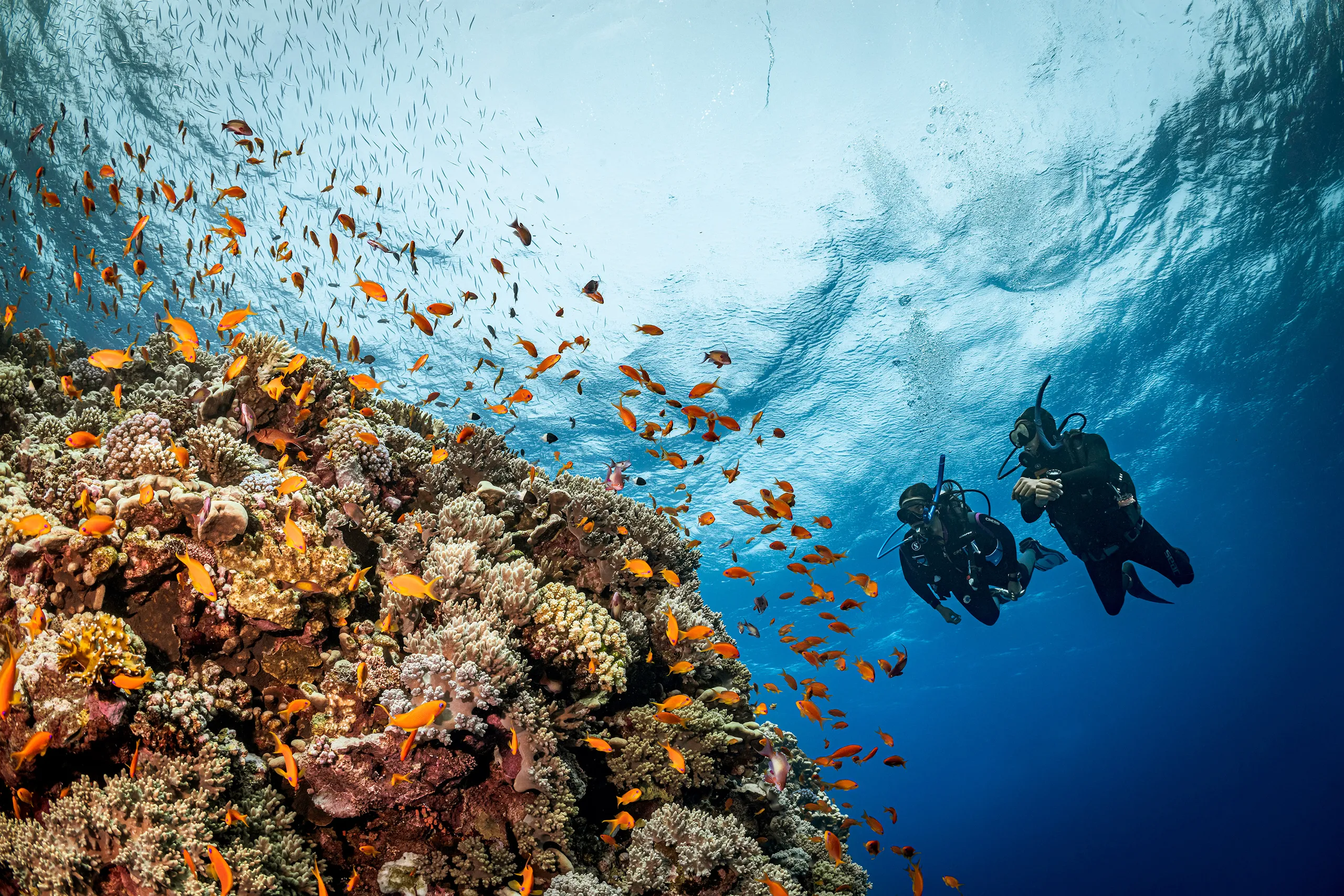
Egypt's underwater corridor hosts over 1,200 species of fish and 200 coral varieties, making it one of the planet's most biodiverse marine environments—and one where your dollar stretches further than most Caribbean or Pacific destinations. Dive operators in Sharm el Sheikh and Hurghada anchor the budget end of the spectrum. Day boats to local reefs typically include two tank dives, guide services, and equipment for $30–$50 when booked locally, though prices rise to $60–$80 for sites requiring longer boat travel or smaller group sizes. Open Water certification courses run $300–$450 for four days of instruction, while Advanced Open Water certifications add another $250–$350. Gear rental—mask, fins, wetsuit, BCD, and regulator—adds $15–$25 per day if you don't own your kit. The red sea scuba diving cost structure rewards multi-dive packages: a ten-dive pass often costs 15–20% less per dive than individual bookings. Liveaboard vessels sailing from Hurghada or Marsa Alam to southern reefs like Elphinstone, Daedalus, or the Brothers Islands represent the premium tier. Week-long expeditions with 17–21 dives, full board, and Nitrox fills range from $800 for standard cabins to $1,500 for deluxe suites during high season. These itineraries access sites unreachable by day boats, including pelagic corridors where hammerhead sharks and oceanic whitetips patrol deep walls. Seasonal pricing follows European holiday calendars. December through March sees rates climb 25–40% as northern hemisphere winter drives demand, while May through September offers the lowest prices and uncrowded dive sites despite warmer surface temperatures. September water temperatures still hover around 27°C, well within comfortable range for 3mm wetsuits. Shore diving from hotel house reefs costs nothing beyond the national park fee, though guided shore dives with an operator add $20–$30. Budget an additional $100–$150 for marine park permits if you plan a week of intensive diving across multiple protected zones.
“Egypt's underwater corridor hosts over 1,200 species of fish and 200 coral varieties, making it one of the planet's most biodiverse marine environments.”
Best Time for Red Sea Scuba Diving to Maximize Value
The best arrival window is 07:00–09:00 to ensure superior water visibility and avoid midday tourist crowds. Planning your dive during these early hours optimizes the conditions for your time in the water.
March to May
ModerateWarm, 24°C–28°C
Spring offers stable water conditions and comfortable air temperatures for diving.
June to August
HighHot, 30°C–35°C
Summer provides the warmest water temperatures but coincides with peak visitor numbers.
September to November
ModerateWarm, 26°C–29°C
Autumn features excellent visibility and cooling water temperatures after the summer heat.
Weekday mornings
Low—
Early arrival provides the quietest environment and clearest water for diving activities.
Verdict: For the best experience, visit during weekday mornings from 07:00–09:00 in either April or October.
Red Sea Scuba Diving Cost and Park Operating Hours
Ras Mohammed National Park maintains consistent daily operating hours to facilitate scuba diving logistics throughout the year.
| Monday | 07:00–17:00 | |
|---|---|---|
| Tuesday | 07:00–17:00 | |
| Wednesday | 07:00–17:00 | |
| Thursday | 07:00–17:00 | |
| Friday | 07:00–17:00 | |
| Saturday | 07:00–17:00 | |
| Sunday | 07:00–17:00 |
Navigating to Red Sea Scuba Diving Locations
Ras Mohammed National Park is located at the southern tip of the Sinai Peninsula, accessible primarily by road from Sharm El Sheikh. Private transport or guided dive transfers are the standard methods for reaching the park entrance.
Peace Road via National Park Road
Sharm El Sheikh to Ras Mohammed Gate
Naama Bay or Port Ghalib marinas
Preparation Checklist for Red Sea Scuba Diving
Entry to Ras Mohammed National Park and scuba diving require specific documentation and certifications.
-
Bring a valid PADI or equivalent certification — The park requires proof of dive certification for all participants.
-
Pack your passport or government-issued photo ID — Foreign visitors must present identification when purchasing the park entrance permit.
-
Confirm your dive operator's park permit status — Licensed operators handle group permits; independent divers pay the 15 USD daily fee at the gate.
-
Arrange certification verification with your dive center — Operators verify credentials before equipment rental and boat departure.
-
Carry cash in USD or Egyptian pounds — Park entrance fees and many local services do not accept cards.
Check availability
Frequently Asked Questions About Red Sea Scuba Diving Cost
Everything you need to know about red sea scuba diving cost